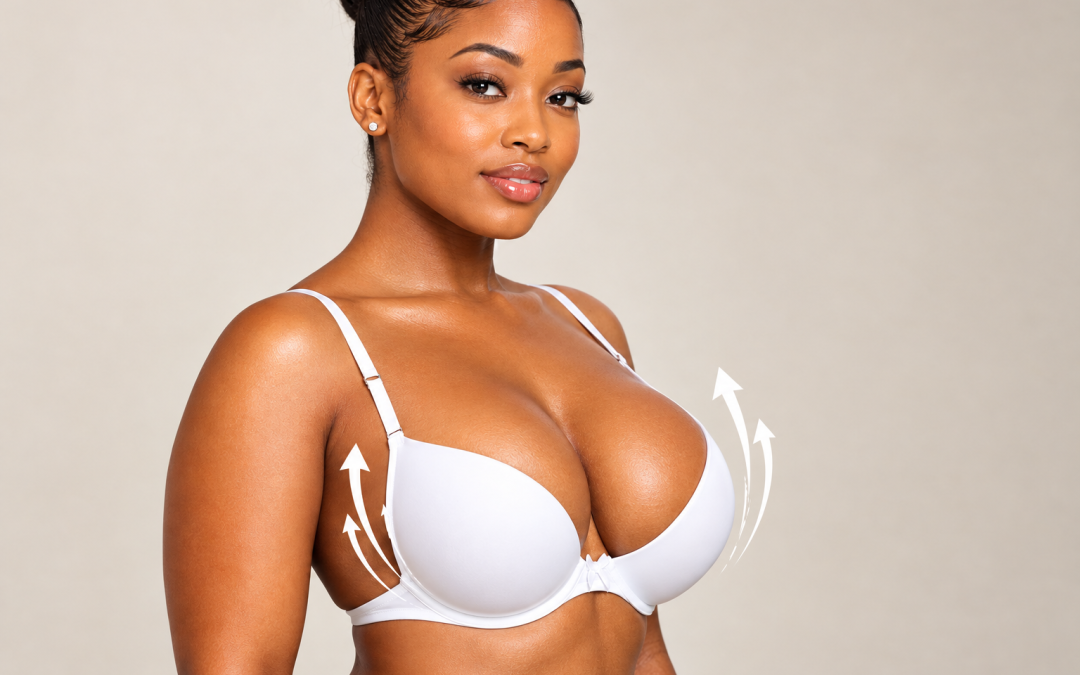
A woman’s breasts can change significantly over time. Pregnancy, breastfeeding, weight fluctuations, ageing, genetics and the natural effects of gravity can gradually affect breast shape, firmness and position. If you feel that your breasts have lost their youthful position or have become noticeably saggy, breast lift surgery in Kenya may be an option worth discussing with a qualified plastic surgeon.
At Curvy Plastic Surgery, we believe breast surgery should be approached as a personalised procedure—not a one-size-fits-all solution. A breast lift, medically known as mastopexy, is designed to lift and reshape the breasts while creating proportions that complement your individual body.
What Is Breast Lift Surgery?
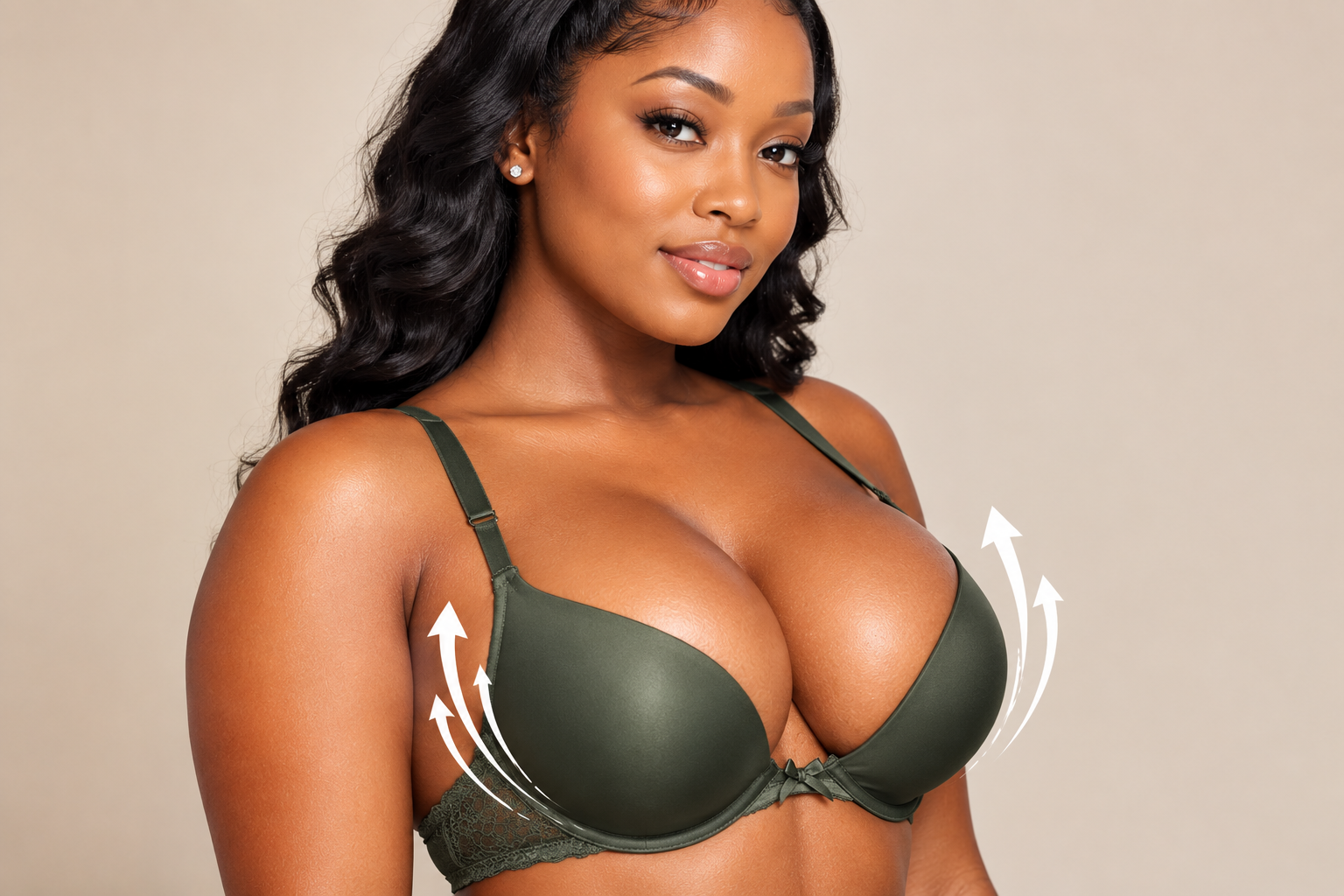
A breast lift is a cosmetic surgical procedure that raises and reshapes sagging breasts by removing excess skin and repositioning the breast tissue and nipple-areola complex.
Unlike breast augmentation, a breast lift is primarily concerned with breast position and shape rather than increasing breast volume. Depending on your anatomy and aesthetic goals, a breast lift may be performed on its own or combined with another breast procedure.
The goal is to create a breast shape that looks lifted, balanced and harmonious with your body.
Why Do Breasts Sag?
Breast sagging, medically referred to as breast ptosis, can happen for several reasons.
Common factors include:
- Pregnancy and breastfeeding
- Significant weight loss
- Ageing and reduced skin elasticity
- Natural changes in breast tissue
- Genetics
- Fluctuations in body weight
- The effects of gravity over time
Pregnancy and breastfeeding can stretch the skin and supporting tissues of the breast, while substantial weight loss can leave excess skin and reduced breast volume. These changes can cause the breasts to sit lower on the chest and the nipples to point downward.
Who May Consider a Breast Lift in Kenya?
A breast lift may be suitable for women who are concerned about sagging or changes in breast position and want to improve their breast contour.
You may wish to discuss mastopexy with a plastic surgeon if:
- Your breasts have become noticeably droopy.
- Your nipples point downward.
- Your breasts sit lower on your chest than you would like.
- Your breast skin has become stretched or loose.
- Pregnancy or breastfeeding has changed your breast shape.
- Weight loss has left excess skin around the breasts.
- Your breasts appear uneven or asymmetrical.
- You want a more lifted and youthful breast contour.
Good candidates generally need to be in suitable overall health and have realistic expectations about what surgery can achieve. A consultation is essential because the appropriate technique depends on your breast size, shape, skin quality, degree of sagging and personal goals.
Breast Lift vs Breast Augmentation: What Is the Difference?
This is one of the most common questions women ask when considering breast surgery.
A breast lift primarily changes the position and shape of the breasts. Excess skin may be removed, breast tissue reshaped and the nipple repositioned.
A breast augmentation primarily increases breast volume, usually using implants or, in selected cases, fat transfer.
Some women may benefit from combining the two procedures. A breast lift can address sagging while augmentation can add volume, particularly in the upper portion of the breast.
Your surgeon can assess whether a lift alone, augmentation alone or a combination would be appropriate for your anatomy and desired outcome.
What Happens During Breast Lift Surgery?
Breast lift surgery is performed under anaesthesia in an appropriate surgical facility. The exact surgical technique varies from patient to patient.
During the procedure, the surgeon may:
- Make carefully planned incisions.
- Remove excess skin.
- Reshape and reposition breast tissue.
- Raise the nipple and areola when necessary.
- Reduce or reshape the areola if appropriate.
- Close the incisions to create the new breast contour.
Different incision patterns may be used depending on how much lifting and reshaping is required. These can include a circular incision around the areola, a vertical incision extending downward, or an anchor-shaped incision for more significant breast sagging.
The appropriate technique is determined during your consultation.
Will Breast Lift Surgery Leave Scars?
Yes. Breast lift surgery involves incisions, so some degree of scarring is expected.
However, experienced plastic surgeons carefully plan incision placement to balance the amount of correction required with scar visibility.
Scars generally change and mature over time. Their final appearance can vary between individuals depending on genetics, skin characteristics, healing and aftercare.
Women with darker skin tones can also be more prone to hypertrophic or keloid scarring, making an individual assessment and appropriate scar-care plan particularly important.
Breast Lift Recovery in Kenya
Recovery varies from person to person and depends on the surgical technique used and whether additional procedures are performed.
Immediately after surgery, it is normal to experience some swelling, bruising, tightness or discomfort. Your surgeon will provide specific instructions regarding wound care, medication, sleeping position, physical activity and the use of a supportive bra.
Many patients can gradually return to normal daily activities as healing progresses, but strenuous exercise and heavy lifting should be avoided until your surgeon confirms that it is safe.
For example, published breast-lift guidance from plastic surgery providers in Kenya describes recovery milestones that can include returning to work within approximately a week and gradually resuming exercise over several weeks, although individual recovery timelines vary.
Your surgeon’s instructions should always take priority over general timelines found online.
What Results Can You Expect From a Breast Lift?
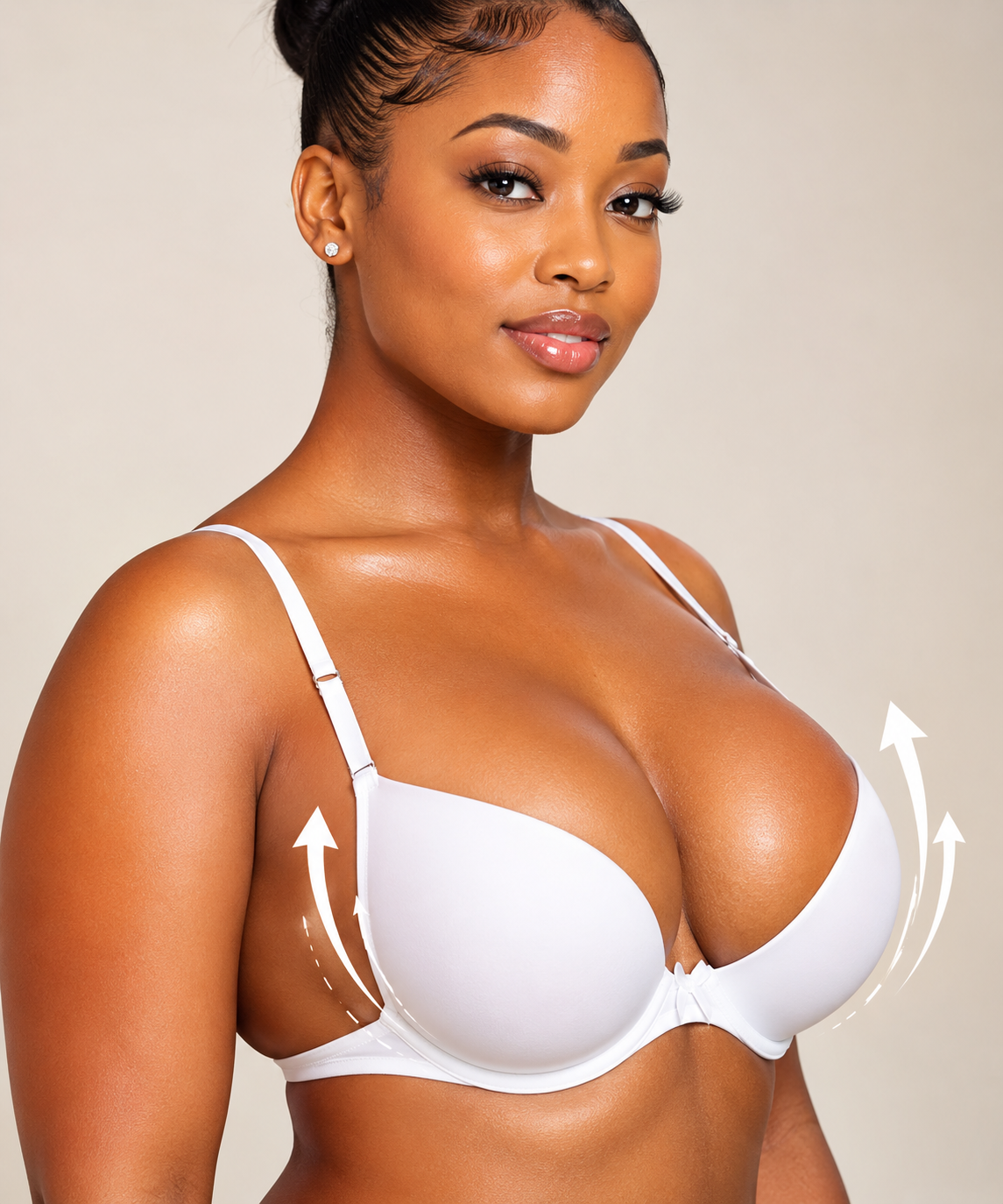
The purpose of a breast lift is to improve breast position, shape and contour.
After healing, patients may notice:
- A higher breast position
- Improved breast contour
- A more youthful breast profile
- Repositioned nipples
- Reduced excess skin
- Improved breast symmetry in some cases
- Better proportion between the breasts and the rest of the body
It is important to understand that a breast lift does not stop the natural ageing process. Pregnancy, future weight fluctuations and changes in skin elasticity can affect your breasts again over time.
What Are the Risks of Breast Lift Surgery?
Breast lift surgery is a surgical procedure and, like all surgery, carries potential risks.
Possible complications include:
- Bleeding or haematoma
- Infection
- Changes in nipple or breast sensation
- Breast asymmetry
- Poor wound healing
- Visible or abnormal scars
- Changes in breast shape
- Fluid accumulation
- Skin or tissue healing problems
- The possibility of revision surgery
- Anaesthesia-related complications
The American Society of Plastic Surgeons also notes that, although uncommon, complications can include partial or total loss of the nipple and areola.
A thorough consultation allows your surgeon to evaluate your individual risk factors and explain the benefits, limitations and potential complications before you decide whether to proceed.
Can I Breastfeed After a Breast Lift?
Breastfeeding after mastopexy may still be possible, but it cannot be guaranteed.
Breast lift techniques vary, and surgery can affect the structures involved in milk production or delivery. If you are planning another pregnancy or are concerned about future breastfeeding, discuss this with your plastic surgeon before surgery.
This is particularly important when deciding whether to have surgery now or wait until you have completed childbearing.
Why Choose Curvy Plastic Surgery for Breast Lift Surgery in Kenya?
Choosing a plastic surgeon is an important part of your breast surgery journey.
When researching breast lift surgery in Nairobi or elsewhere in Kenya, consider:
- The surgeon’s qualifications and training
- Experience with breast surgery
- The surgical facility where the procedure is performed
- Before-and-after results from comparable cases
- The surgeon’s approach to patient safety
- The quality of pre- and post-operative care
- Whether your questions are answered clearly
- Whether the proposed results are realistic for your anatomy
At Curvy Plastic Surgery, the focus should be on developing an individualised treatment plan that considers your body proportions, breast anatomy, aesthetic preferences and long-term goals.